
Root DUI Insurance — Missouri
Free to compare
Root Quotes DUI Drivers After Reinstatement, Not During Suspension
You received a DUI conviction in Missouri, you need SR-22 filing to apply for a Limited Driving Privilege, and Root's advertising promises app-based quotes in minutes. But when you download the app and start the process, you hit a wall: Root cannot generate a premium without driving data, and you cannot generate driving data while your license is suspended. The app-based model that makes Root competitive for clean-record drivers creates a procedural gap for suspended drivers who need coverage now.
Root writes SR-22 policies for Missouri DUI drivers in 37 states, including Missouri. The carrier files electronically with the Missouri Department of Revenue and maintains the filing for the required 2-year period. But Root's telematics-first underwriting — the core of its business model — requires you to drive with the app active for 2-4 weeks before it can price your risk. If your license is currently suspended, you cannot legally drive to generate that data, and Root cannot quote you until after reinstatement.
“Root cannot file SR-22 until you complete the driving data collection period, which requires an active license.”

Get Back to a Fair Rate in Missouri After a DUI
Get My Missouri DUI Insurance Quote2-4 weeks
Root Driving Data Window
Root's app monitors driving behavior for 2-4 weeks before generating a final premium. Missouri DUI drivers cannot complete this step until after reinstatement, when they have legal driving privileges again.
Root underwriting process per joinroot.com
Missouri DUI Requires SR-22 Before Limited Driving Privilege Takes Effect
Missouri law requires SR-22 filing for 2 years after a DUI conviction, measured from the conviction date. If you want to apply for a Limited Driving Privilege during your 90-day suspension period, you must have SR-22 on file with the Director of Revenue before the circuit court will approve your petition. The court does not grant the LDP first and let you file SR-22 later — the filing must be active when you submit Form 4595.
This creates a timing conflict with Root's underwriting model. You need SR-22 filed to get the LDP. Root needs driving data to quote you. You cannot generate driving data without the LDP or full reinstatement. The procedural sequence does not align with Root's product structure.
Most Missouri DUI drivers resolve this by obtaining SR-22 from a non-standard carrier that quotes without telematics — Dairyland, Bristol West, The General, Progressive, or GAINSCO — then switching to Root after reinstatement if Root's final premium beats the non-standard rate. Root becomes a post-reinstatement option, not an immediate-filing solution.

Root cannot file SR-22 until you complete the driving data collection period, which requires an active license — creating a gap between when Missouri law requires filing and when Root can provide it.



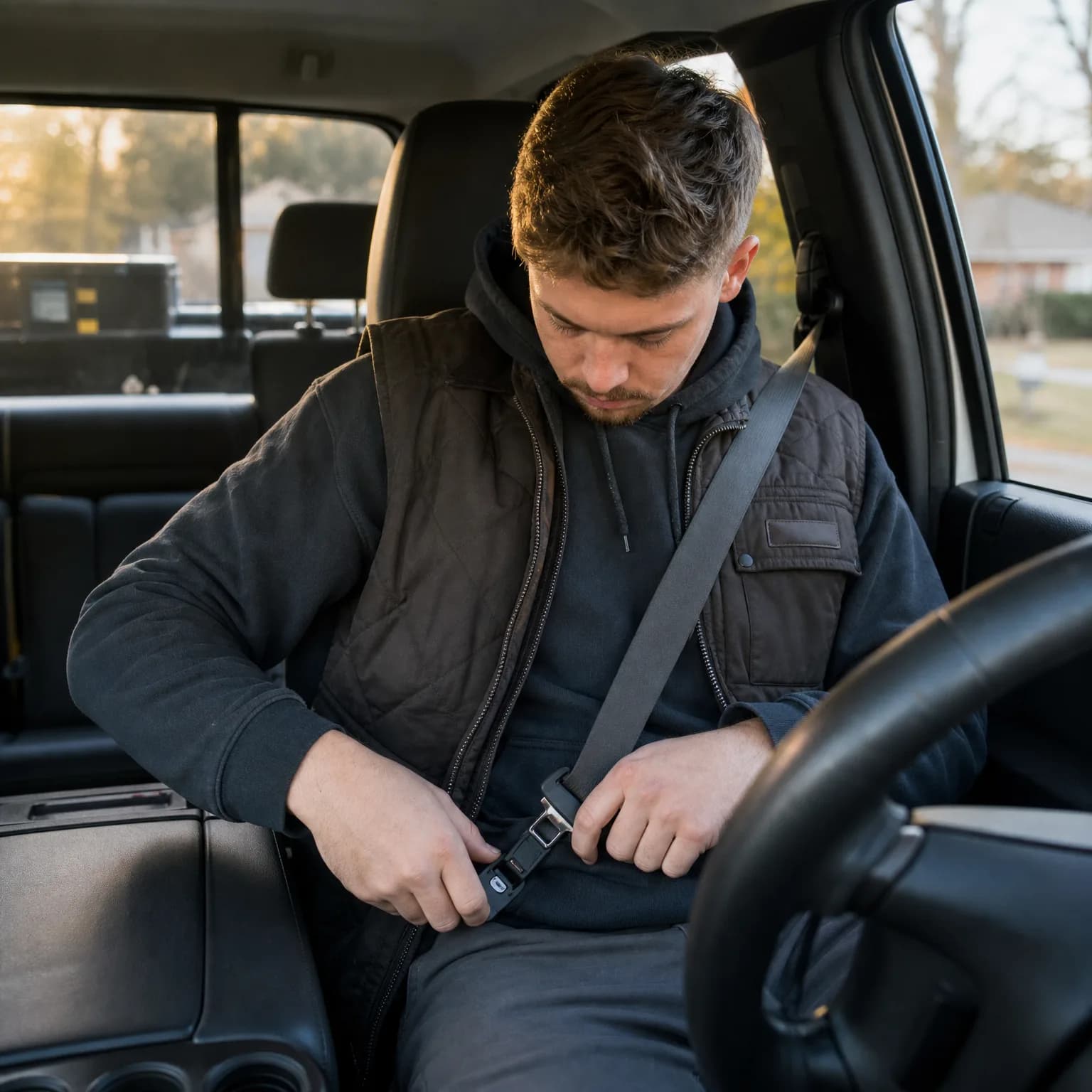



Root Premium After Reinstatement Depends on Post-DUI Driving Behavior
If you obtain SR-22 from a non-standard carrier during suspension, complete your 90-day suspension or serve your LDP period, and then regain full driving privileges, Root becomes a viable option for post-reinstatement coverage. At that point you can download the app, drive normally for 2-4 weeks, and let Root's telematics system evaluate your current driving behavior rather than penalizing you solely for the conviction.
Root's pricing model rewards smooth acceleration, controlled braking, limited phone use while driving, and consistent adherence to speed limits. If your post-reinstatement driving reflects those behaviors, Root may quote lower than the non-standard carrier that filed your SR-22 during suspension. The 2-year SR-22 filing requirement remains in effect regardless of carrier — Root will maintain the filing with the Missouri DOR for the remainder of your required period if you switch.
Most Missouri DUI drivers see non-standard premiums in the $230-$343/month range immediately after conviction. Root's final premium depends entirely on the driving data you generate, so there is no way to predict whether switching will save money until you complete the monitoring period.
2 years
Missouri SR-22 Filing Period
Missouri requires SR-22 filing for 2 years after DUI conviction. The filing period runs from the conviction date, not the reinstatement date. Root maintains the filing electronically for the full duration if you switch carriers post-reinstatement.
Missouri DOR SR-22 requirements

Switching Carriers Mid-Filing Does Not Reset Your SR-22 Period
If you file SR-22 with Dairyland or Bristol West during suspension, then switch to Root 8 months post-reinstatement, your 2-year filing clock does not restart. Missouri tracks the filing period from your conviction date, and the DOR system recognizes continuous coverage as long as there is no lapse between the old carrier's cancellation and the new carrier's filing. Root submits a new SR-22 form when you bind the policy, and the DOR updates the carrier of record without extending your filing obligation.
The risk is in the transition window. If your old carrier cancels your policy and Root has not yet filed the new SR-22, the DOR receives a cancellation notice and may trigger a suspension for failure to maintain required insurance. To avoid this, bind the Root policy before canceling the old one, confirm Root has filed SR-22 electronically, then cancel the old policy effective the same date the Root policy starts. Most carriers allow same-day policy start dates if you complete the application and payment before noon.
Compare Root Against Non-Standard Carriers After You Regain Driving Privileges
Root is not the right carrier for immediate SR-22 filing during suspension. The telematics requirement creates a procedural gap Missouri DUI drivers cannot close until after reinstatement. But Root becomes a legitimate post-reinstatement option once you have legal driving privileges and can generate the data the app requires. If you are currently suspended and need SR-22 to apply for a Limited Driving Privilege, start with a non-standard carrier that files immediately. Once you complete your suspension or LDP period and regain full privileges, request a Root quote and compare it against your current non-standard premium. If Root's telematics-based rate beats your existing rate by 15% or more, the switch is worth the effort. If the difference is smaller, the risk of a filing gap during the transition may outweigh the savings.
Non-Standard Carriers File SR-22 Immediately Without Driving Data
These carriers operate in the non-standard tier, where DUI convictions are priced into the base rate structure rather than treated as exceptions to a preferred-tier model. You provide your conviction date, your license status, and your coverage selections; the carrier generates a quote immediately and files SR-22 within 1-3 business days of policy binding. No app monitoring. No waiting period. The SR-22 filing appears in the Missouri DOR system before your LDP petition hearing.
Root's model works well for drivers with clean records who benefit from usage-based discounts. But for Missouri DUI drivers facing a 2-year SR-22 requirement and a 90-day suspension, the telematics requirement delays access to the filing itself. Non-standard carriers treat DUI as a known risk factor and price it upfront, which removes the procedural friction Root's model introduces.
Get Your Free Quote
Get My Missouri DUI Insurance QuoteFrequently Asked Questions
Does Root write SR-22 insurance for Missouri DUI drivers?
Yes, Root writes SR-22 policies for Missouri DUI drivers in 37 states including Missouri. However, Root requires 2-4 weeks of driving data before generating a final premium, which means you cannot complete the quote process while your license is suspended. Root becomes a viable option after reinstatement, not during suspension.
How long does Root require you to drive before quoting a DUI policy in Missouri?
Root's app monitors your driving behavior for 2-4 weeks before generating a final premium. During this period the app tracks acceleration, braking, phone use, and speed. Missouri DUI drivers cannot complete this step until after reinstatement when they have legal driving privileges.
Can I get SR-22 filed immediately with Root in Missouri?
No. Root cannot file SR-22 until you complete the telematics monitoring period, which requires active driving with the app installed. Missouri DUI drivers who need SR-22 to apply for a Limited Driving Privilege must use a non-standard carrier that quotes without driving data — Dairyland, Bristol West, The General, Progressive, or GAINSCO.
What happens if I switch from another carrier to Root mid-SR-22 filing period?
Your 2-year SR-22 filing period does not restart when you switch carriers. Missouri tracks the filing from your conviction date, and Root submits a new SR-22 form to the DOR when you bind the policy. The risk is a filing gap during the transition — bind the Root policy before canceling the old one to avoid suspension.
How much does Root SR-22 insurance cost in Missouri after a DUI?
Root's premium depends entirely on the driving data you generate during the 2-4 week monitoring period. There is no way to predict the cost until you complete that step. Missouri non-standard carriers typically quote $230-$343/month immediately after DUI; Root may quote lower if your post-reinstatement driving scores are strong, but this varies by individual behavior.
Does Root require an ignition interlock device for Missouri DUI drivers?
Missouri law requires ignition interlock installation for DUI convictions, and Root will ask whether you have an IID installed during the application process. The device does not disqualify you from coverage, but it may affect your final premium depending on how Root's underwriting model weights IID compliance.
Can I use Root for non-owner SR-22 in Missouri?
Root does not offer non-owner policies. If you do not own a vehicle and need SR-22 to satisfy Missouri reinstatement requirements, you must use a carrier that writes non-owner SR-22 — Dairyland, Bristol West, The General, Progressive, GAINSCO, or USAA. Root requires you to insure a vehicle you own or regularly drive.