
Non-Owner Insurance After Selling Your Car Post DUI — Missouri
Free to compare
The Post-Sale Filing Gap
You sold your car three weeks into your Missouri DUI suspension. The vehicle is gone, the title transferred, and you assumed the SR-22 filing requirement your attorney mentioned no longer applies. Then you called the Missouri Department of Revenue Driver License Bureau to confirm your reinstatement timeline and learned your SR-22 lapse just reset your entire suspension period to day zero.
Missouri requires continuous SR-22 proof of financial responsibility for two years following DUI suspension — measured from the date your SR-22 filing becomes active with the DOR, not from your conviction date or suspension start date. Vehicle ownership is irrelevant to this requirement. The moment your carrier cancels your policy or you cancel it yourself after selling the car, the DOR receives electronic notification through the Missouri Automobile Insurance Verification System. Your reinstatement clock stops immediately. When you eventually file a new SR-22, the two-year period restarts from that new filing date.
“Missouri DOR logs SR-22 lapses electronically within days — selling your vehicle does not pause the filing requirement or preserve your reinstatement progress.”

Get Back to a Fair Rate in Missouri After a DUI
Get My Missouri DUI Insurance Quote2 years
Missouri SR-22 Filing Period
Required continuously from the date SR-22 becomes active with the Missouri DOR following DUI suspension. Selling your vehicle does not shorten this period, and any lapse in coverage restarts the clock from zero.
Missouri DOR Driver License Bureau reinstatement requirements
Why Missouri Requires SR-22 Without a Vehicle
SR-22 is not vehicle insurance. It is a liability certification filed by an authorized insurance carrier directly with the Missouri Department of Revenue confirming you carry at least the state minimum liability limits: $25,000 bodily injury per person, $50,000 bodily injury per accident, and $25,000 property damage. The filing exists to prove financial responsibility to the state, not to insure a specific car.
When you own a vehicle, a standard auto policy satisfies the SR-22 requirement — the carrier adds the SR-22 endorsement to your existing policy and files it with the DOR. When you sell that vehicle and cancel the policy, the SR-22 filing cancels with it. Missouri law does not distinguish between voluntary cancellation and vehicle-triggered cancellation. Both produce the same outcome: the DOR logs a lapse, your reinstatement eligibility ends, and the two-year SR-22 clock stops running.
The non-owner SR-22 policy solves this. It provides the same liability coverage and SR-22 filing as a standard auto policy but without requiring you to own a registered vehicle. You carry the policy, the carrier files the SR-22 with the Missouri DOR, and your reinstatement timeline continues uninterrupted even though you sold the car.
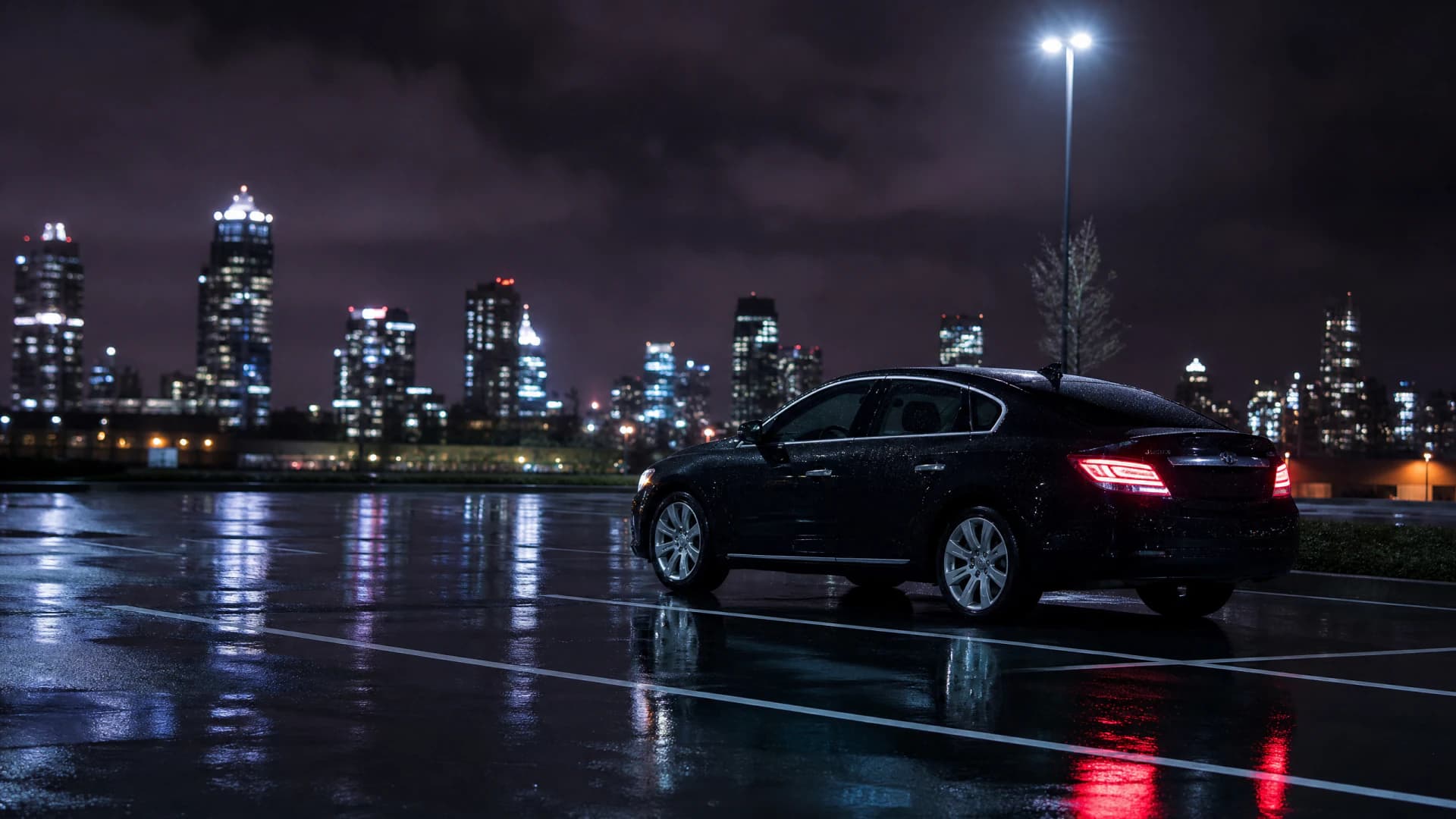
Missouri DOR treats voluntary policy cancellation after a vehicle sale identically to non-payment cancellation — both restart your SR-22 filing clock from zero.



How Missouri Carriers Price Non-Owner SR-22
Non-owner SR-22 policies in Missouri typically cost $25–$45 per month for state minimum liability limits, significantly lower than standard auto policies carrying the same SR-22 filing. The premium reflects reduced carrier risk: no physical damage exposure, no collision claims, and liability-only coverage that activates only in specific borrowed-vehicle scenarios. Your driving record still determines your rate tier — a recent DUI conviction places you in the non-standard underwriting tier even without a vehicle, and carriers adjust premiums based on your violation history, age, and county.
SR-22 insurance premiums vary by carrier appetite for non-standard risk. Geico, Progressive, Dairyland, The General, Bristol West, and GAINSCO actively write non-owner SR-22 policies in Missouri and quote online or by phone. State Farm writes SR-22 endorsements but non-owner availability varies by agent and underwriting guidelines. Carriers not listed as writing SR-22 in Missouri either do not offer non-owner policies or do not file SR-22 certificates with the Missouri DOR, making them unsuitable for reinstatement purposes.
Estimates based on available industry data; individual rates vary by driving history, age, county, and carrier underwriting criteria. Request quotes from at least three carriers writing non-owner SR-22 in Missouri to compare premiums accurately.
$25–$45/month
Missouri Non-Owner SR-22 Premium
Typical monthly cost for state minimum liability with SR-22 filing. Significantly lower than standard auto SR-22 ($110–$185/month) because non-owner policies exclude physical damage and collision exposure. Your DUI violation keeps you in the non-standard tier regardless of vehicle ownership.
Carrier rate filings and Missouri non-standard auto market data
Filing Timeline and Reinstatement Impact
Missouri carriers typically process SR-22 filings within 1–3 business days after you purchase the non-owner policy. The filing reaches the Missouri DOR electronically through the state's insurance verification system, and the DOR updates your driver record to reflect active SR-22 status. Your two-year SR-22 period begins the day the DOR logs the filing as active, not the day you paid the premium or the day the policy became effective.
If you sold your vehicle and allowed a lapse between your old policy's cancellation and your new non-owner policy's SR-22 filing, the gap resets your reinstatement timeline. Missouri does not prorate or credit partial SR-22 periods. A driver who maintained SR-22 for 18 months, sold their car, lapsed for 60 days, then filed a new non-owner SR-22 must complete a full two years from the new filing date — the previous 18 months do not count. The only way to preserve your progress is to secure the non-owner SR-22 policy before canceling your existing auto policy, creating continuous filing with no gap.
What Happens When You Buy Another Vehicle
When you purchase and register a vehicle during your SR-22 period, you must convert from non-owner coverage to a standard auto policy with SR-22 endorsement. The non-owner policy explicitly excludes vehicles registered in your name, and continuing to drive a registered vehicle under non-owner coverage violates the policy terms — the carrier can deny any claim and cancel the policy for misrepresentation, triggering another SR-22 lapse with the Missouri DOR.
Contact your carrier immediately when you register a vehicle. Most carriers writing non-owner SR-22 also write standard auto and can convert your policy the same day, transferring the SR-22 filing from the non-owner policy to the new auto policy without creating a gap. The DOR receives the updated filing electronically and your reinstatement timeline continues without interruption. If your non-owner carrier does not write standard auto in Missouri or cannot offer competitive rates for vehicle coverage, secure a new standard auto SR-22 policy before canceling the non-owner policy to prevent a lapse. Request quotes from Geico, Progressive, Dairyland, Bristol West, The General, or GAINSCO — all write both non-owner and standard SR-22 in Missouri and can guide the transition process.
What Non-Owner SR-22 Actually Covers
The liability coverage applies when you drive a vehicle not listed on your policy and that vehicle's owner does not have their own insurance, or when their coverage limits are exhausted in a claim where you are at fault. Your non-owner policy becomes secondary coverage in most borrowed-vehicle scenarios, meaning the vehicle owner's policy pays first and yours covers any remaining liability up to your policy limits. This structure keeps premiums low because the carrier's exposure is limited to situations where primary coverage fails.
Non-owner SR-22 does not cover physical damage to the vehicle you are driving. If you rent a car and decline the rental agency's collision damage waiver, your non-owner policy will not pay for damage to that rental. It also does not cover vehicles registered in your household or vehicles you use regularly — if you borrow your spouse's car daily for work, most non-owner policies exclude that scenario and require you to be listed on your spouse's standard auto policy instead.
Get Your Free Quote
Get My Missouri DUI Insurance QuoteFrequently Asked Questions
Do I need non-owner insurance if I am not driving at all during my Missouri DUI suspension?
Yes, if you intend to reinstate your Missouri license after the suspension period ends. The Missouri DOR requires continuous SR-22 filing for two years regardless of whether you currently drive. Without an active non-owner SR-22 policy on file, your reinstatement timeline stops and will not resume until you establish new coverage. Driving activity is irrelevant to the filing requirement.
Can I file SR-22 in Missouri without buying an insurance policy?
No. SR-22 is not a standalone document you can purchase. It is a certificate filed by a licensed insurance carrier confirming you hold an active liability policy meeting Missouri's minimum coverage requirements. The only way to establish SR-22 with the Missouri DOR is to purchase either a standard auto policy or a non-owner policy from a carrier authorized to file SR-22 in Missouri.
What happens if I let my non-owner SR-22 policy lapse and then reinstate it a month later?
Your two-year SR-22 filing period restarts from zero. Missouri does not credit partial SR-22 periods interrupted by lapses. A driver who maintained SR-22 for 20 months, lapsed for 30 days, then refiled must complete a full two years from the new filing date. The only way to preserve your progress is to maintain continuous coverage without any gap.
Does Missouri require SR-22 for non-DUI suspensions like unpaid tickets or points accumulation?
Not always. Missouri typically requires SR-22 for DUI suspensions, uninsured driving suspensions, and certain accident-related suspensions. Points-based suspensions and unpaid ticket suspensions generally do not trigger SR-22 requirements. Contact the Missouri DOR Driver License Bureau at 573-751-4600 to confirm whether your specific suspension type requires SR-22 filing before purchasing a non-owner policy.
Can I use a non-owner SR-22 policy to apply for a Limited Driving Privilege in Missouri?
Yes. Missouri circuit courts require proof of SR-22 filing as part of the Limited Driving Privilege petition process for DUI-related suspensions. A non-owner SR-22 policy satisfies this requirement even if you do not currently own a vehicle. You must file the SR-22 with the Missouri DOR before petitioning the court, and the policy must remain active throughout the LDP period or the court can revoke your driving privilege.
How much does Missouri charge to reinstate my license after completing the SR-22 filing period?
$45 for alcohol-related revocations, paid to the Missouri DOR. You must also complete the Substance Awareness Traffic Offender Program (SATOP) before reinstatement if your suspension resulted from a DUI conviction. The reinstatement fee is separate from SATOP program costs, which vary by assigned program level and provider.