
SR-22 Insurance After Third DUI — Missouri
Free to compare
You Cannot File SR-22 Until Year Five
Missouri law treats your third DUI as a Class E felony under RSMo 577.023, which triggers a mandatory five-year license denial under RSMo 302.060. During those five years you have no legal driving privilege in Missouri — no hardship license, no Limited Driving Privilege (LDP), no restricted route. The Department of Revenue will not accept SR-22 filing until after your denial period ends and you petition for reinstatement.
The advice you read about SR-22 for DUI applies to first and sometimes second offenses where you can file within months of conviction. Third-offense Missouri drivers are locked out of the SR-22 system entirely until year five. You cannot insure what you cannot legally drive, and you cannot file proof of insurance the state will not accept.
“Missouri's third-DUI denial is absolute — no ignition interlock program, no court petition, no hardship carve-out. You wait five years.”

Get Back to a Fair Rate in Missouri After a DUI
Get My Missouri DUI Insurance Quote5 years
Missouri Third-DUI Denial Period
RSMo 302.060 mandates five-year license denial for third and subsequent alcohol-related driving offenses. No hardship eligibility, no interlock bypass, no court-ordered LDP available during this period.
RSMo 302.060
What SR-22 Actually Does After Felony DUI
SR-22 is not insurance. It is a certificate your carrier files with Missouri DOR proving you carry liability coverage at state minimum limits: $25,000 bodily injury per person, $50,000 per accident, $25,000 property damage. Missouri requires continuous SR-22 filing for two years following reinstatement of a third-offense DUI license under RSMo 302.304.
The filing obligation begins when your license is reinstated, not when your denial period starts. If you are convicted January 2025 and denied five years, your two-year SR-22 clock starts January 2030 when you petition successfully for reinstatement. Until then, carriers will not file SR-22 for a license that does not exist.
You must maintain unbroken coverage for the full two years. If your policy lapses or cancels, the carrier notifies DOR within 10 days via Missouri's electronic reporting system (MAIVS). DOR immediately suspends your newly reinstated license. Reinstatement after SR-22 lapse requires a new $45 reinstatement fee, proof of continuous coverage retroactive to the lapse date, and restarting the two-year SR-22 clock.
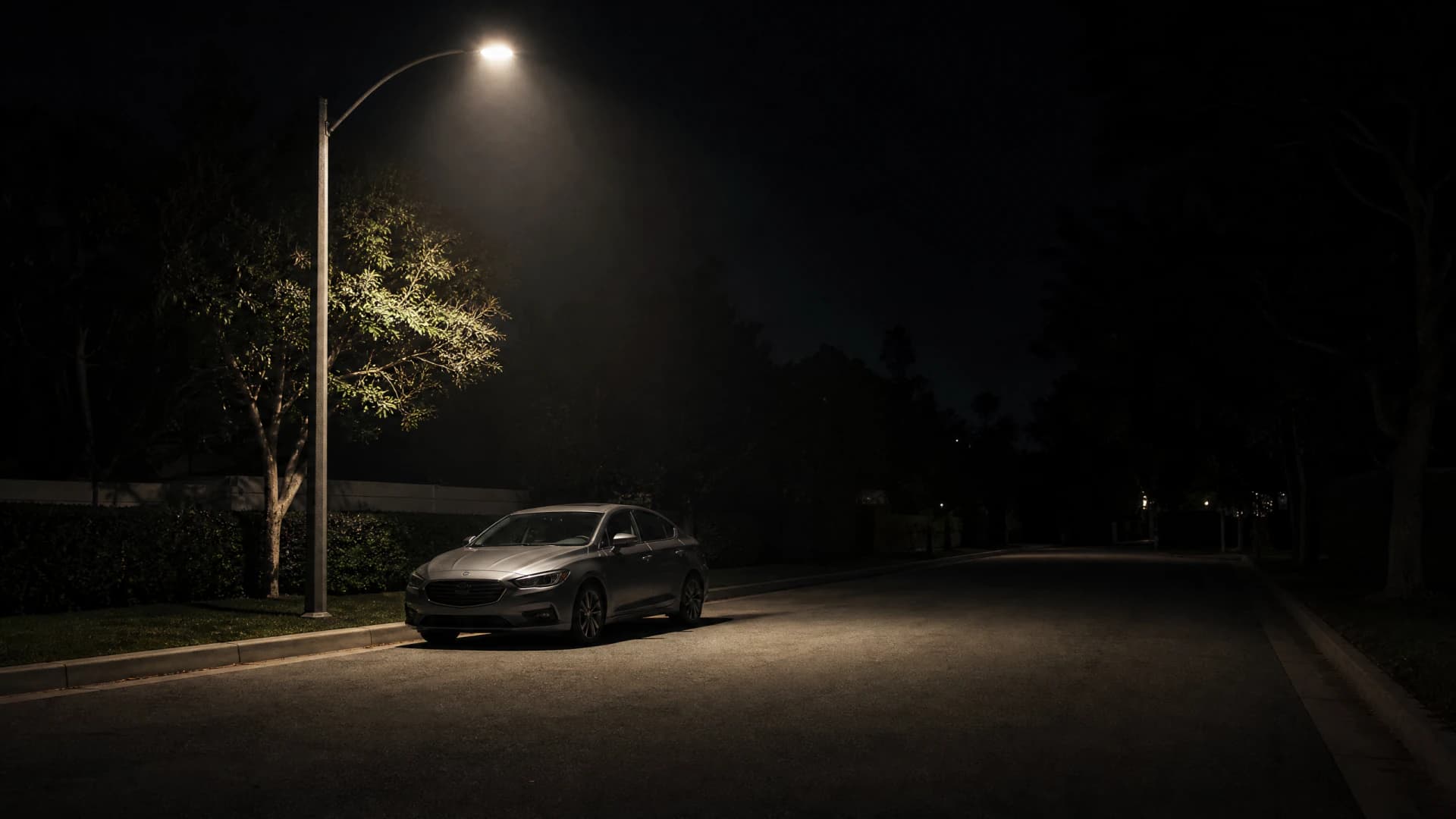
Missouri's third-DUI denial is absolute — no ignition interlock program, no court petition, no hardship carve-out. You wait five years before SR-22 becomes relevant.





How Much Third-Offense SR-22 Insurance Costs
Missouri third-DUI drivers should expect monthly premiums between $400 and $850 if they can secure standard-market coverage at all. Most will land in the non-standard market where premiums routinely exceed $600/month. Three DUIs signal actuarial disaster — you represent five to seven times the claim risk of a clean-record driver.
Your premium depends on age, county, vehicle, and how long ago your prior DUIs occurred. A 35-year-old in St. Louis County with convictions spaced ten years apart will pay substantially less than a 28-year-old in Jackson County with three DUIs in six years. Carriers price recency and pattern as heavily as count.
Non-owner SR-22 policies cost $50–$150/month and cover you when driving borrowed or rented vehicles. If you do not own a car during your two-year SR-22 period, non-owner is the required path — it satisfies Missouri's SR-22 filing requirement without insuring a vehicle you do not have.
$400–$850/mo
Third-DUI SR-22 Premium Range
Missouri third-offense drivers face premiums six to eight times standard rates. Non-standard carriers like Bristol West, Dairyland, GAINSCO, and The General dominate this market because preferred-tier carriers exit at three convictions.

Which Carriers Will Write Third-DUI SR-22
Preferred-tier carriers exit at three DUIs. State Farm, Allstate, USAA, and Nationwide will not quote you. You are shopping the non-standard market where Bristol West, Dairyland, GAINSCO, National General, Progressive's high-risk division, and The General operate. Not every non-standard carrier writes third-offense policies — some cap at two DUIs within seven years.
Expect declinations. Carriers evaluate time since most recent conviction, whether you own a vehicle, your age, and your claims history independent of DUI. A third DUI at age 50 with ten years since the second may find coverage; a third at age 26 with all three in four years will exhaust the non-standard market quickly. Start quoting 90 days before reinstatement to allow time for multiple submission rounds.
Your Next Step Before Reinstatement
Begin the SATOP evaluation process 12-18 months before your five-year denial ends. SATOP scheduling, class attendance, and drug testing timelines stretch weeks to months depending on provider availability and your assigned level. Missing a single class or test restarts segments of the program.
Start quoting SR-22 coverage 90 days out. Non-standard carriers need time to underwrite third-offense risks, and you may face multiple declinations before securing a bindable quote. Bind coverage to activate the day DOR grants reinstatement — any gap between reinstatement and SR-22 effective date re-suspends your license immediately and forces you to restart the two-year SR-22 clock from zero.
What Happens When You Reach Year Five
You must complete a Substance Awareness Traffic Offender Program (SATOP) evaluation and the assigned treatment level before petitioning. Third-offense cases typically trigger Level II or higher SATOP requirements, which involve weeks of classes and random drug testing. DOR will not consider reinstatement until SATOP completion is verified in their system.
You file a reinstatement petition with DOR along with proof of SATOP completion, payment of the $45 alcohol-related reinstatement fee, and proof of SR-22 insurance effective the date of reinstatement. Most drivers secure SR-22 quotes 60-90 days before their five-year denial ends to ensure coverage activates the day DOR grants reinstatement. Any gap between reinstatement and SR-22 effective date triggers immediate re-suspension.
Get Your Free Quote
Get My Missouri DUI Insurance QuoteFrequently Asked Questions
Can I get a hardship license during Missouri's five-year third-DUI denial?
No. Missouri law prohibits Limited Driving Privilege (LDP) for third and subsequent alcohol-related driving offenses. The five-year denial under RSMo 302.060 is absolute with no hardship, interlock, or court-petition exceptions.
How long do I have to carry SR-22 after a third DUI in Missouri?
Two years from the date your license is reinstated, not from your conviction date. The SR-22 clock starts when DOR grants reinstatement after your five-year denial period ends. Any lapse during those two years restarts the clock.
What happens if my SR-22 insurance cancels during the two-year filing period?
Your carrier notifies Missouri DOR within 10 days via the state's electronic system. DOR immediately suspends your reinstated license. You must pay a $45 reinstatement fee, provide proof of continuous coverage retroactive to the lapse date, and restart the two-year SR-22 period from zero.
Will preferred-tier carriers like State Farm or GEICO insure me after three DUIs?
No. Preferred and most standard-tier carriers exit at three DUI convictions. You will shop the non-standard market: Bristol West, Dairyland, GAINSCO, National General, Progressive high-risk, and The General. Expect premiums between $400 and $850/month.
Can I file SR-22 before my five-year Missouri denial period ends?
No. Missouri DOR will not accept SR-22 filing for a denied license. You must wait until your five-year denial ends, complete SATOP, pay the reinstatement fee, and petition for reinstatement. SR-22 filing becomes active the day DOR grants reinstatement.
Do I need SR-22 if I do not own a car after my third DUI?
Yes, if Missouri requires SR-22 as a condition of reinstatement. Non-owner SR-22 policies cost $50–$150/month and prove you carry liability coverage when driving borrowed or rented vehicles. This satisfies the filing requirement without insuring a vehicle you do not own.