
Felony DUI Insurance Cost — Missouri
Free to compare
What Felony DUI Conviction Means for Your Missouri Insurance
Your Missouri felony DUI conviction triggered three separate requirements that must align before you can drive legally: SR-22 proof of financial responsibility filed with the Missouri Department of Revenue, ignition interlock device installation verified before any Limited Driving Privilege takes effect, and Substance Awareness Traffic Offender Program completion before full reinstatement. Insurance is not optional during suspension — you need active liability coverage with SR-22 endorsement filed to the DOR before the circuit court will grant your LDP petition.
The confusion most Missouri felony DUI drivers face is timing: you were convicted, your license was revoked, and now you're being told to buy insurance before you can even apply for restricted driving. That requirement is structural. Missouri DOR requires SR-22 on file as proof you meet financial responsibility standards before the court-granted LDP becomes valid. The insurance comes first, not after you get permission to drive.
“Missouri requires SR-22 on file before the court-granted Limited Driving Privilege becomes valid — the insurance comes first, not after you get permission to drive.”

Get Back to a Fair Rate in Missouri After a DUI
Get My Missouri DUI Insurance Quote$20–$45
Missouri Reinstatement Fee Range
Missouri charges $20 for standard suspensions and $45 for alcohol-related revocations. The $45 fee applies to felony DUI convictions and must be paid after completing SATOP, serving the hard suspension period, and maintaining SR-22 coverage for the full two-year filing period.
Missouri DOR Driver License Bureau fee schedule
Missouri Felony DUI Follows a Dual-Track System
Missouri separates administrative suspension (handled by the Department of Revenue) from judicial revocation (imposed by criminal court after conviction). Your felony DUI triggers both. The DOR revokes your license administratively under implied consent law if you refused a chemical test or tested over the legal limit. The court imposes a separate criminal revocation after your conviction. These run concurrently, and both require separate compliance steps.
The DOR administrative revocation for felony-level BAC or refusal carries a minimum 90-day hard suspension before you're eligible for a Limited Driving Privilege. If you refused the chemical test, the hard period extends to 90 days with a one-year total revocation. The court-imposed criminal revocation adds SATOP completion, ignition interlock requirements, and the two-year SR-22 filing obligation. You must satisfy both tracks to regain full driving privileges.
This dual structure is why insurance comes before the LDP petition. The DOR will not recognize your LDP as valid until SR-22 is on file. The court will not grant the LDP without proof of ignition interlock installation. And no carrier will issue an SR-22 policy without active liability coverage meeting Missouri's $25,000/$50,000/$25,000 minimums. All three requirements must be sequenced correctly or your LDP petition gets denied.

Missouri law prohibits Limited Driving Privilege for certain repeat felony DWI convocations and lifetime revocations — confirm your eligibility with the circuit court in your county of residence before paying for SR-22 coverage.




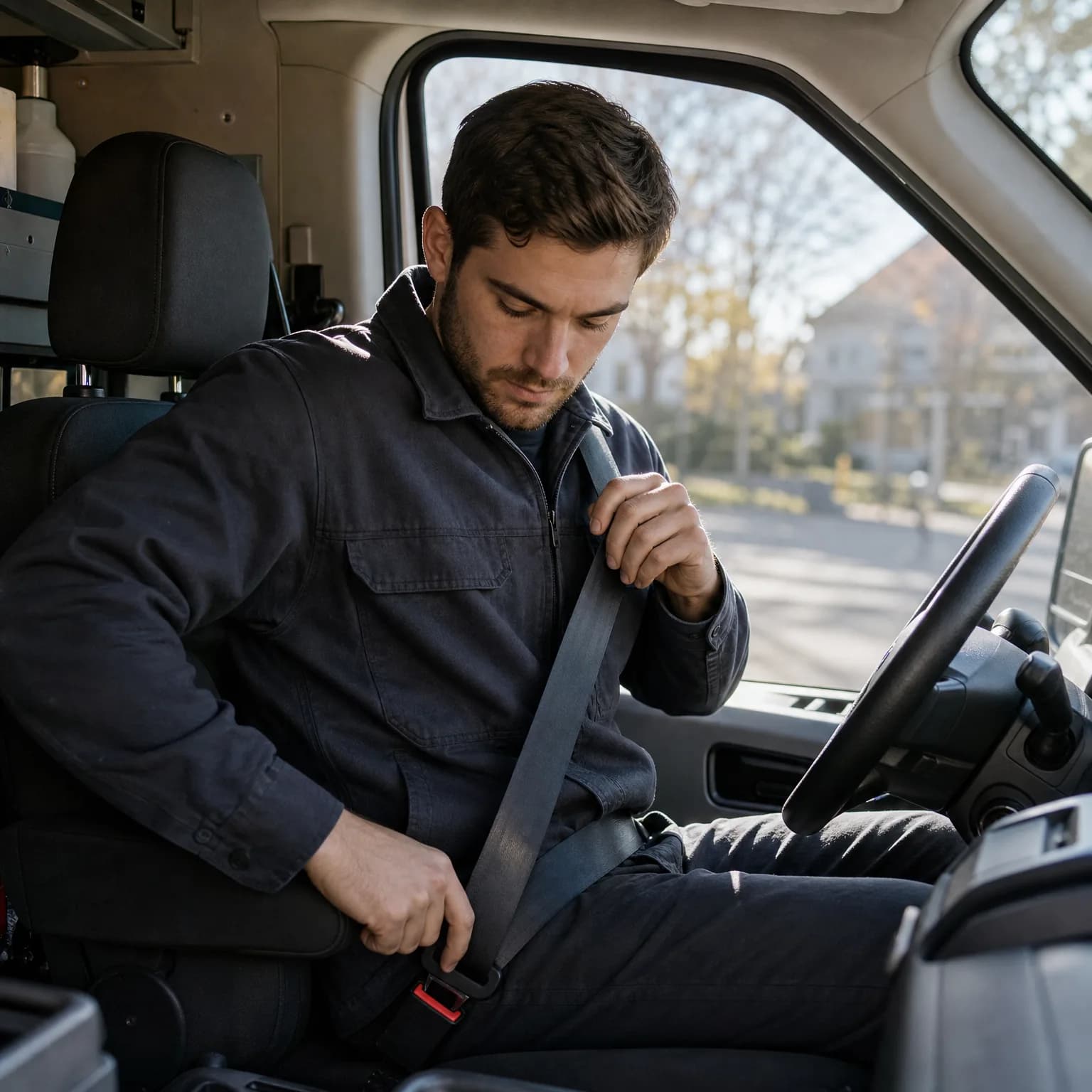


What Ignition Interlock Adds to Your Insurance Cost
Missouri requires ignition interlock device installation for all felony DUI convictions as a condition of Limited Driving Privilege eligibility. The IID requirement is separate from SR-22 but impacts your insurance pathway. Some carriers will not issue SR-22 policies to drivers with active IID mandates in the first 90 days post-conviction. Others require proof of IID installation and calibration before binding coverage.
IID costs in Missouri average $75–$125 per month for device lease, installation, monthly calibration, and removal. These costs are not covered by insurance and are paid directly to the IID vendor. Your insurance premium does not increase because you have an IID — but the carrier may require documentation proving the device is installed and functioning before issuing your SR-22 certificate. If you violate IID terms (tampering, missed calibration, failed rolling retest), your LDP is revoked and your SR-22 filing obligation continues.
The interaction most Missouri felony DUI drivers miss: your SR-22 policy must remain active during the entire IID period even if your LDP is revoked for an IID violation. The two-year SR-22 clock does not pause when you lose your LDP. If your policy lapses, the DOR suspends your eligibility and the clock resets when you refile. Budget for continuous SR-22 coverage and continuous IID lease payments as parallel obligations for the full two-year period.
2 years
Missouri SR-22 Filing Period
Missouri felony DUI convictions require two years of continuous SR-22 filing measured from the conviction date. If your policy lapses or cancels at any point during this period, the DOR suspends your driving privileges immediately and the filing period restarts from zero when you refile.
RSMo Chapter 302

Non-Owner SR-22 for Drivers Without Vehicles
If you do not own a vehicle but need SR-22 to satisfy Missouri reinstatement requirements, non-owner SR-22 policies provide liability coverage when you drive a vehicle you do not own. Non-owner policies meet the DOR's financial responsibility requirement and allow you to file SR-22 without insuring a specific vehicle. Monthly premiums for non-owner SR-22 in Missouri after felony DUI range from $85 to $160 depending on county and carrier.
Non-owner SR-22 is the correct product when you sold your vehicle after conviction, rely on borrowed vehicles or rideshare during your suspension period, or plan to lease or finance a vehicle later but need SR-22 on file now to petition for your LDP. The non-owner policy stays active as long as you continue paying premiums. When you purchase or lease a vehicle later, you convert the non-owner policy to a standard liability policy insuring the new vehicle and the SR-22 filing transfers without interruption.
When You Can Get Standard Rates Again
Missouri felony DUI remains on your driving record for 10 years but impacts insurance rates most severely in the first three years post-conviction. After completing your two-year SR-22 filing period, satisfying SATOP requirements, and maintaining a clean driving record during probation, you become eligible for standard-tier carriers again. Premium reductions typically begin at the three-year mark when the conviction ages out of most carriers' surcharge windows.
Expect premiums to remain 40–70% above pre-conviction rates for years three through five post-conviction, then gradually decrease. Full standard rates return at the 10-year mark when the felony DUI drops off your Missouri driving record entirely. During the first two years, focus on maintaining continuous SR-22 coverage without lapses — every lapse resets the filing clock and extends the period you pay elevated premiums. Compare quotes from multiple carriers every six months during the SR-22 period. Rate reductions accelerate once you complete probation and remove the IID.
How Missouri SR-22 Filing Works After Felony Conviction
You obtain SR-22 by purchasing liability insurance from a carrier authorized to write high-risk policies in Missouri and requesting SR-22 endorsement at the time of purchase. The carrier files the SR-22 certificate directly with the DOR. You receive a copy for your records, which you must present when petitioning the circuit court for your Limited Driving Privilege. If your policy lapses or cancels for any reason during the two-year filing period, the carrier notifies the DOR electronically and your driving privileges are suspended immediately.
Missouri SR-22 filing adds $15–$25 to your policy as a one-time or annual filing fee, depending on carrier. The real cost increase comes from the underlying liability premium. Carriers writing post-felony-DUI policies in Missouri include Geico, Progressive, State Farm, Dairyland, The General, Bristol West, GAINSCO, and National General. Not all accept felony convictions in the first year post-conviction — some impose waiting periods or require completion of probation before issuing coverage. Monthly premiums for minimum liability with SR-22 after Missouri felony DUI range from $240 to $340 depending on age, county, prior insurance history, and whether you own a vehicle.
Get Your Free Quote
Get My Missouri DUI Insurance QuoteFrequently Asked Questions
Do I need insurance if my Missouri license is suspended after felony DUI?
Yes. Missouri requires SR-22 proof of financial responsibility filed with the Department of Revenue before you can petition for a Limited Driving Privilege. The SR-22 certificate proves you maintain continuous liability coverage meeting state minimums. Without active insurance and SR-22 on file, your LDP petition will be denied.
How much does SR-22 insurance cost in Missouri after felony DUI?
Monthly premiums for minimum liability with SR-22 after Missouri felony DUI range from $240 to $340 depending on age, county, prior insurance history, and whether you own a vehicle. Non-owner SR-22 policies cost $85–$160 per month. The SR-22 filing fee itself adds $15–$25 as a one-time or annual charge.
How long do I need SR-22 after Missouri felony DUI conviction?
Missouri requires two years of continuous SR-22 filing after felony DUI, measured from your conviction date. If your policy lapses or cancels at any point during this period, the DOR suspends your driving privileges immediately and the filing period restarts from zero when you refile.
Can I get a hardship license in Missouri after felony DUI?
Missouri calls its hardship license a Limited Driving Privilege. You may petition the circuit court in your county of residence after serving the mandatory 90-day hard suspension period. The LDP requires proof of SR-22 insurance and ignition interlock device installation. Missouri law prohibits LDP for certain repeat felony DWI convictions and lifetime revocations.
What happens if my SR-22 insurance lapses in Missouri?
If your SR-22 policy lapses or cancels, your insurance carrier notifies the Missouri Department of Revenue electronically and your driving privileges are suspended immediately. The two-year SR-22 filing period resets to zero when you refile. You must pay reinstatement fees and may face additional penalties depending on whether you were driving during the lapse.
Does ignition interlock affect my Missouri insurance cost?
The ignition interlock device itself does not increase your insurance premium, but some carriers require proof of IID installation before issuing SR-22 coverage. IID costs average $75–$125 per month for lease, calibration, and maintenance. These costs are paid to the IID vendor, not your insurance carrier.
Which insurance carriers write SR-22 policies in Missouri after felony DUI?
Carriers writing post-felony-DUI SR-22 policies in Missouri include Geico, Progressive, State Farm, Dairyland, The General, Bristol West, GAINSCO, and National General. Not all accept felony convictions in the first year post-conviction. Some impose waiting periods or require completion of probation before issuing coverage.