
Insurance After Second DUI — Missouri
Free to compare
Second DUI Premium Reality
You paid the reinstatement fee, completed SATOP Level II, installed the ignition interlock device, and called your insurer to restart coverage. The quoted premium was three times your pre-conviction rate. You accepted it because driving legally required it. Six months later, at your first renewal, the premium jumped again — same carrier, same vehicle, same clean driving record since conviction. The second increase was not explained in the original quote.
Missouri second-DUI convictions trigger cumulative premium increases that compound across the mandatory 2-year SR-22 filing period. Most carriers quote an initial post-conviction rate based on the first policy term, then apply additional surcharges at each renewal as loss history updates propagate through underwriting systems. The year-two renewal premium often exceeds the year-one quote by 15 to 30 percent, even when no new violations occur.
“The carrier quoting the lowest first-month premium often quotes the highest year-two renewal — compare 2-year total cost, not just the initial term.”

Get Back to a Fair Rate in Missouri After a DUI
Get My Missouri DUI Insurance Quote$3,600–$7,200/year
Missouri Second-DUI Premium Range
Typical full-coverage premium for a 35-year-old Missouri driver with one prior DUI and a second conviction within 5 years. Liability-only policies run $1,800 to $3,600 annually for the same profile. Clean-record drivers in Missouri average $1,200 to $1,800 annually for comparable coverage.
Industry rate estimates; individual premiums vary by county, age, vehicle, and carrier underwriting models.
Why Premiums Compound Annually
Carriers apply DUI surcharges as percentage multipliers to base rates, not flat fees. A second conviction within the SR-22 lookback window (typically 5 years in Missouri) places you in the highest-risk tier most standard carriers offer before declining coverage entirely. The surcharge percentage — often 200 to 300 percent above base rate — applies to your evolving risk profile, which includes not just the conviction but also the claims history, credit-based insurance score updates, and county-level loss trends that shift every six months.
Missouri requires SR-22 filing for 2 years following DUI conviction. The filing period starts the day your SR-22 certificate reaches the Missouri Department of Revenue Driver License Bureau, not the conviction date or reinstatement date. Most carriers re-evaluate risk at each renewal during those 2 years. If your county saw increased uninsured-motorist claims, or if your credit score dropped, or if statewide DUI loss ratios worsened, your renewal premium rises even when your personal driving record stays clean. The second DUI marks you as persistently high-risk; carriers price for that persistence across multiple policy terms.
Carriers who write repeat-DUI business — Progressive, Geico, The General, Dairyland, Bristol West, GAINSCO, National General — use different surcharge schedules and different renewal triggers. Some lock rates for 6 months and re-rate at every renewal; others lock for 12 months and apply one large adjustment at the annual mark. The structure matters because a carrier quoting $350 per month with semi-annual re-rating may cost more over 2 years than a carrier quoting $420 per month with 12-month rate locks.
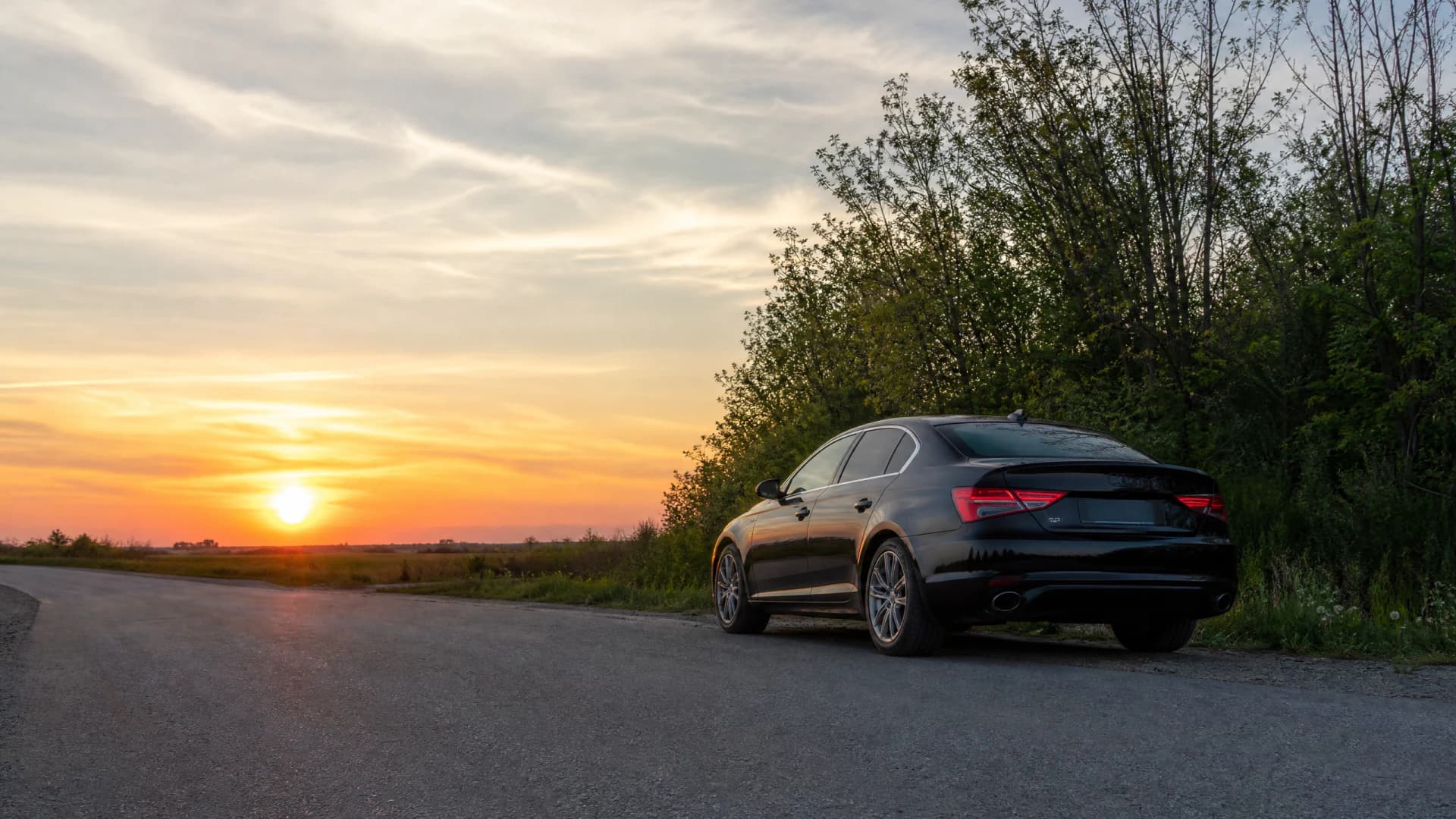
Missouri second-DUI drivers face 2-year SR-22 filing and compounding premium increases at every renewal — year-two rates often exceed year-one quotes by 15 to 30 percent even with clean driving.





Calculating Two-Year Total Cost
The true cost of second-DUI insurance in Missouri is not the first quote you receive — it is the sum of all premiums paid across the mandatory 2-year SR-22 period, plus the administrative cost of maintaining SR-22 filing, plus the ignition interlock device rental and calibration fees that many drivers do not include in initial cost projections. Start with the annual premium range: $3,600 to $7,200 for full coverage, $1,800 to $3,600 for liability-only. Multiply by 2 years to establish the baseline insurance cost. Then add $25 to $50 annually for SR-22 filing fees — most carriers charge this separately from the policy premium. Then add ignition interlock costs: $70 to $150 per month for device rental, $50 to $100 every 60 days for calibration and data download. Over 2 years, IID costs alone run $2,000 to $4,000.
A second-DUI driver in Missouri paying $300 per month for liability-only coverage, $35 annually for SR-22 filing, and $100 per month for IID will spend roughly $9,600 over 2 years before factoring in any premium increases at renewal. If the carrier applies a 20 percent renewal increase at the 12-month mark — common when statewide loss ratios worsen or the driver's credit score declines — the second year's insurance premium rises to $360 per month, adding $720 to the total. The all-in 2-year cost approaches $10,400, not including the $45 reinstatement fee, court costs, SATOP tuition, or attorney fees already paid.
$9,600–$14,000
Total Two-Year Insurance Cost
Combined cost of liability-only insurance premiums ($3,600–$7,200), SR-22 filing fees ($50–$100), and ignition interlock device rental and calibration ($4,000–$7,200) over Missouri's mandatory 2-year SR-22 period for second-DUI drivers. Full-coverage policies add $3,600 to $7,200 to this baseline.
Estimates based on Missouri DOR SR-22 filing requirements and carrier rate data for repeat-DUI underwriting tiers.

Carriers Who Write Second Offenses
Not all Missouri-licensed carriers write second-DUI policies. State Farm, USAA, and Nationwide typically decline repeat offenders or non-renew existing policies after the conviction posts to the driver record. The carriers who reliably write second-DUI business in Missouri are Progressive, Geico, The General, Dairyland, Bristol West, GAINSCO, and National General. Each uses different underwriting models: Progressive and Geico write second offenses as standard-tier high-risk policies with layered surcharges; The General, Dairyland, Bristol West, and GAINSCO write them as non-standard policies with higher base rates but fewer renewal re-rating events.
The difference between standard-tier high-risk and non-standard matters. Standard-tier carriers apply lower base rates but re-rate aggressively at every renewal based on updated risk signals. Non-standard carriers apply higher base rates but offer more rate stability across the SR-22 period because they assume persistent high risk from day one and do not re-evaluate as frequently. A second-DUI driver expecting clean driving for 2 years may pay less total cost with a standard-tier carrier despite higher renewal volatility. A driver facing additional risk factors — poor credit, multiple vehicles, teenage household drivers — may pay less with a non-standard carrier that locks rates for 12 months and absorbs small risk changes without re-rating.
Compare Carriers Before Reinstatement
Missouri requires proof of SR-22 filing before the Department of Revenue will process your reinstatement application. You cannot reinstate first and then shop for coverage — the SR-22 filing must already be active. This sequence forces most second-DUI drivers to accept the first quote they receive because they need to drive immediately for work, childcare, or medical appointments. That urgency costs money. The spread between the highest and lowest quotes for identical coverage on the same driver profile routinely exceeds $1,200 annually in Missouri's non-standard market. Shopping three carriers before filing SR-22 often saves more money over 2 years than any discount the first carrier offers for bundling or paying in full.
Request quotes from Progressive, Geico, The General, Dairyland, and Bristol West at minimum. Provide identical information to each: your conviction date, BAC level, prior DUI details, current vehicle, desired coverage limits, and confirmation that you will install an ignition interlock device as ordered. Ask each carrier how they handle renewals — semi-annual re-rating or annual locks — and whether they assess separate IID surcharges or fold IID risk into the DUI surcharge. Compare the 2-year total cost, not just the first 6-month premium. The carrier quoting the lowest month-one premium may quote the highest year-two renewal.
What Second Conviction Triggers Immediately
SR-22 certificate of financial responsibility must be filed by an authorized Missouri-licensed insurer directly with the Department of Revenue. The filing confirms you carry liability coverage at Missouri's minimum limits: $25,000 bodily injury per person, $50,000 bodily injury per accident, $25,000 property damage. The SR-22 filing period is 2 years, measured from the date the DOR receives the certificate, not the conviction date. If your policy lapses or cancels for any reason during those 2 years — missed payment, non-renewal, carrier withdrawal — the insurer notifies the DOR within 10 days and your driving privilege suspends immediately. Reinstatement after SR-22 lapse requires a new filing, a new reinstatement fee, and restarting the 2-year clock from zero.
Ignition interlock device installation is required for the duration of the limited driving privilege period or until full reinstatement, whichever the court specifies. Missouri courts typically mandate IID for 6 months to 5 years depending on prior offenses and BAC level. The IID requirement runs parallel to the SR-22 requirement but on a separate timeline. Insurance premium calculation includes both the DUI surcharge and a separate IID-equipped-vehicle surcharge. Some carriers decline to write policies for IID-equipped vehicles entirely; others write them but apply an additional 10 to 25 percent loading factor on top of the DUI surcharge. The two penalties stack — they do not replace each other.
Get Your Free Quote
Get My Missouri DUI Insurance QuoteFrequently Asked Questions
Does car insurance go up after a second DUI in Missouri?
Yes. Missouri second-DUI convictions trigger premium increases of 200 to 300 percent above clean-record rates, typically raising annual costs from $1,200–$1,800 to $3,600–$7,200 for full coverage. Liability-only policies for second offenders run $1,800 to $3,600 annually. Premiums often increase again at each renewal during the mandatory 2-year SR-22 filing period.
How long does a second DUI affect insurance rates in Missouri?
A second DUI conviction in Missouri affects insurance rates for a minimum of 2 years (the SR-22 filing period) and typically 3 to 5 years in total. Most carriers apply DUI surcharges for 3 years from the conviction date. Some carriers extend surcharges to 5 years for repeat offenses. After the surcharge period ends, rates drop but rarely return to pre-conviction levels if the DUI remains on your driving record.
Can I get non-owner SR-22 insurance after a second DUI in Missouri?
Yes. Non-owner SR-22 policies provide liability coverage and satisfy Missouri's SR-22 filing requirement when you do not own a vehicle. Progressive, Geico, Dairyland, The General, GAINSCO, and USAA write non-owner policies for second-DUI drivers in Missouri. Premiums run $40 to $100 per month depending on conviction details and county. Non-owner policies do not cover vehicles you own, rent, or borrow regularly.
What happens if my insurance lapses during the SR-22 period in Missouri?
If your insurance policy lapses or cancels during Missouri's mandatory 2-year SR-22 filing period, your insurer notifies the Department of Revenue within 10 days and your driving privilege suspends immediately. Reinstatement requires filing a new SR-22 certificate, paying a new $45 reinstatement fee, and restarting the 2-year SR-22 clock from the date the new filing is received. Driving during SR-22 lapse is unlicensed operation and can trigger additional criminal charges.
Do all Missouri carriers write second-DUI policies?
No. State Farm, USAA, Nationwide, and many preferred-tier carriers decline second-DUI applicants or non-renew existing policies after conviction. Progressive, Geico, The General, Dairyland, Bristol West, GAINSCO, and National General reliably write second-offense policies in Missouri. Shop at least three carriers before filing SR-22 — rate spreads for identical coverage routinely exceed $1,200 annually.
Does ignition interlock requirement increase insurance cost separately from DUI surcharge?
Yes. Most Missouri carriers apply a separate surcharge for ignition interlock devices in addition to the DUI conviction surcharge. IID surcharges typically add 10 to 25 percent to the policy premium. Some carriers decline to write policies for IID-equipped vehicles entirely. The DUI surcharge and IID surcharge stack — one does not replace the other.
How much does SR-22 filing cost in Missouri for second DUI?
SR-22 filing fees in Missouri typically run $25 to $50 annually, charged separately from the insurance policy premium. Most carriers assess the fee at policy inception and again at each renewal. The filing fee is administrative only — it does not include the cost of the insurance policy itself. Missouri's reinstatement fee is $45 for alcohol-related revocations, paid to the Department of Revenue before driving privilege is restored.