
Breath Test Refusal Insurance — Missouri
Free to compare
The Hard Suspension Window After Refusal
You refused the breath test at the traffic stop, and the officer took your license on the spot. Missouri's Department of Revenue has already started a 1-year administrative revocation under the state's implied consent law (RSMo 577.041), and you're now facing a 90-day period where you cannot drive at all—not for work, not for emergencies, not for any reason. That's three full months before you can even petition a circuit court for a Limited Driving Privilege.
Drivers who blow over the limit face only a 30-day hard suspension before LDP eligibility. The refusal penalty is structurally harsher: Missouri treats the refusal itself as a separate violation, independent of whatever DWI charge the prosecutor files in criminal court. These two tracks run parallel, and both carry separate insurance filing requirements that most drivers miss until reinstatement paperwork gets rejected.
“Missouri treats the refusal itself as a separate violation—the administrative revocation stands even if the criminal DWI charge is dismissed.”

Get Back to a Fair Rate in Missouri After a DUI
Get My Missouri DUI Insurance Quote90 days
Missouri Refusal Hard Period
Chemical test refusal under RSMo 577.041 triggers a mandatory 90-day period before Limited Driving Privilege eligibility. BAC-over-limit first offenders face only 30 days before they can petition for restricted driving.
RSMo 302.309, Missouri DOR Driver License Bureau
The Dual-Track Suspension Reality
The administrative revocation the Department of Revenue imposed happens immediately—it's not tied to your criminal case. Even if the prosecutor drops the DWI charge, even if you're acquitted at trial, the administrative revocation stands. The DOR's action is based solely on the refusal, not on guilt or innocence in criminal court.
If you are convicted of DWI in criminal court, the judge will impose a separate suspension. That court-imposed suspension runs concurrently with the administrative revocation in most cases, but reinstatement requires satisfying both the DOR and the court. The DOR requires SR-22 proof of financial responsibility for 2 years following the administrative action. The court may impose its own insurance requirements as a condition of reinstatement. You cannot satisfy one without the other.
Most drivers assume resolving the criminal case resolves the license issue. It does not. You must complete the DOR reinstatement process separately, and that process requires SR-22 filing regardless of how the criminal case ends.
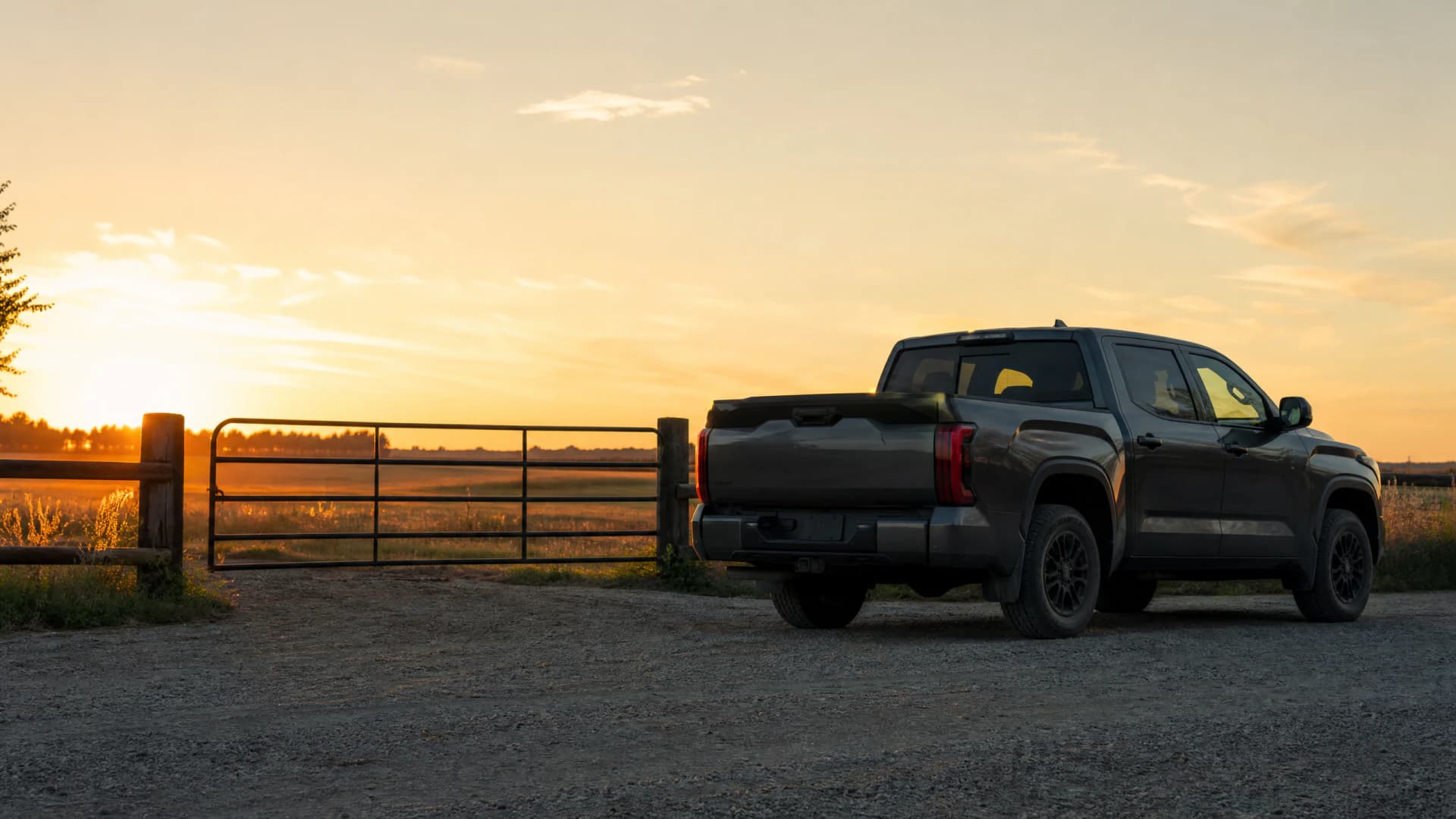
You cannot satisfy DOR reinstatement without SR-22 filing, even if the criminal DWI charge is dismissed—the administrative revocation stands alone.

Limited Driving Privilege After Day 90
After the 90-day hard suspension period ends, you can petition the circuit court in your county of residence for a Limited Driving Privilege (LDP). The LDP is Missouri's version of a hardship license—it allows restricted driving for court-approved purposes while the administrative revocation remains in effect. You cannot petition in a different county even if the offense occurred elsewhere.
The court sets the specific purposes, hours, and days you're allowed to drive. Typical approvals include work, school, medical appointments, alcohol treatment programs, and other necessities the judge deems reasonable. The court will require proof of SR-22 insurance before granting the LDP—you cannot get the restricted license without the filing already on record with the DOR.
Missouri also requires ignition interlock device (IID) installation for refusal cases as a condition of the LDP. The device connects to your vehicle's ignition and requires a clean breath sample before the engine starts. You pay for installation, monthly monitoring fees, and calibration appointments—typically $100–$150 upfront and $75–$100 per month. The IID requirement applies even if you're never convicted of DWI in criminal court. HB 2110 (2019) created an immediate LDP pathway for first-offense DWI drivers who install an IID, bypassing some of the hard suspension wait, but refusal cases still face the full 90-day period before eligibility.
Violating LDP restrictions—driving outside approved hours, driving for unapproved purposes, tampering with the IID, or failing a rolling retest—triggers automatic revocation of the privilege. The DOR does not issue warnings. You return to zero driving privileges and must wait out the remainder of the original revocation period with no second LDP opportunity in most cases.
$20–$45
Missouri Reinstatement Fee
Base reinstatement fee is $20 for standard suspensions. Alcohol-related revocations, including breath test refusal, carry a $45 fee. This is in addition to SR-22 filing costs, IID fees, and any SATOP program fees required for DWI cases.
Missouri DOR Driver License Bureau fee schedule
Full Reinstatement After the Revocation Period
When the 1-year administrative revocation period ends, you must complete formal reinstatement with the DOR to restore full driving privileges. You cannot simply start driving again—Missouri does not automatically reinstate. You must submit proof of SR-22 filing, pay the $45 reinstatement fee, provide proof of IID compliance if required, and complete the Substance Awareness Traffic Offender Program (SATOP) if a DWI conviction occurred in criminal court.
SATOP is Missouri's mandatory alcohol education program for any alcohol- or drug-related driving offense. The program level assigned depends on your offense history and assessment results. Completion is non-negotiable for reinstatement following a DWI conviction, and the DOR will not process reinstatement paperwork without SATOP certification on file. If the criminal case resulted in acquittal or dismissal, SATOP is not required—but the SR-22 filing and administrative reinstatement process still apply because the refusal revocation stands independently.
Compare Carriers Filing SR-22 in Missouri
Getting quoted fast matters when you're 90 days from LDP eligibility and need SR-22 on file before petitioning the court. Dairyland, GAINSCO, and Bristol West specialize in high-risk cases and typically offer same-day electronic filing once you bind coverage. Progressive and Geico file SR-22 for both standard and non-owner policies, though rates for refusal violations will be significantly higher than their advertised base premiums. State Farm will file for existing customers but often non-renews refusal cases at the next policy term.
Submit quotes to multiple carriers—refusal cases are priced individually, and rate spreads between carriers can exceed $100/month for identical coverage. Non-owner policies from specialty carriers often cost less than vehicle policies from standard carriers after a refusal, even when you own a car, because the specialty market prices the violation differently. Compare monthly premiums, SR-22 filing fees, and policy terms before binding. Once the SR-22 is filed, you must maintain continuous coverage for the full 2-year filing period—any lapse triggers DOR notification and resets your compliance clock.
SR-22 Filing for Refusal Cases
Most standard carriers—State Farm, Allstate, American Family—will file SR-22 for existing customers who need it after a refusal, but expect your premium to increase significantly. Missouri treats refusal as a serious violation, and carriers price it as high-risk regardless of whether a DWI conviction follows. You're looking at premium increases of 60–120% depending on your carrier, age, and prior driving record. Some carriers will non-renew your policy at the next renewal period rather than continue coverage.
If your current carrier drops you or if you don't currently have a vehicle, you need a non-owner SR-22 policy. Non-owner policies provide the liability coverage the state requires without insuring a specific vehicle. Dairyland, The General, GAINSCO, Bristol West, and Progressive all write non-owner SR-22 in Missouri. Expect monthly premiums of $85–$140 for non-owner coverage with SR-22 filing. The SR-22 itself typically adds $25–$50 to your premium, but the refusal violation is what drives the larger rate increase.
Get Your Free Quote
Get My Missouri DUI Insurance QuoteFrequently Asked Questions
Do I need SR-22 if my DWI charge gets dismissed after refusing the breath test?
Yes. Missouri's administrative revocation for breath test refusal stands independently of the criminal case. The Department of Revenue requires SR-22 for 2 years following the refusal revocation regardless of whether the prosecutor drops the DWI charge or you're acquitted at trial.
Can I get a Limited Driving Privilege immediately after refusing the breath test in Missouri?
No. Breath test refusal triggers a mandatory 90-day hard suspension period before you can petition the circuit court for a Limited Driving Privilege. Drivers who took the test and blew over the limit face only a 30-day wait before LDP eligibility.
How much does SR-22 insurance cost after breath test refusal in Missouri?
Non-owner SR-22 policies typically run $85–$140/month for refusal cases. Vehicle policies with SR-22 vary widely—expect premium increases of 60–120% over your prior rate. The SR-22 filing fee itself adds $25–$50, but the refusal violation drives the larger rate increase.
Do I need an ignition interlock device to get a Limited Driving Privilege after refusal?
Yes. Missouri requires ignition interlock installation as a condition of granting a Limited Driving Privilege in refusal cases. Installation costs $100–$150, with monthly monitoring fees of $75–$100. This requirement applies even if you're never convicted of DWI in criminal court.
What happens if my insurance lapses during the SR-22 filing period?
Your carrier electronically notifies the Missouri DOR immediately when coverage lapses. The DOR suspends your driving privileges and resets your 2-year SR-22 filing requirement from the date you restore coverage. If you're on a Limited Driving Privilege, the lapse triggers automatic revocation of the privilege.
Can I reinstate my Missouri license online after a breath test refusal revocation?
It depends. Missouri DOR offers online reinstatement for some suspension types, but breath test refusal cases often require additional documentation—SATOP completion if a DWI conviction occurred, ignition interlock compliance verification, and proof of SR-22 filing. Check dor.mo.gov to see if your case qualifies for online processing.