
American Family SR-22 After DUI — Missouri
Free to compare
When Your Current Carrier Exits After DUI
American Family writes SR-22 policies in Missouri and appears on the Department of Revenue's approved filer list. The problem surfaces after conviction: American Family's underwriting guidelines classify DUI as an automatic declination trigger for policy renewal. Your existing policy will not renew, and the company will not issue a new policy with SR-22 filing attached.
This creates a procedural gap most drivers do not anticipate. Missouri circuit courts require proof of SR-22 filing on file with the Director of Revenue before granting Limited Driving Privilege. The $20 reinstatement fee and SATOP completion mean nothing without an active SR-22 certificate. You cannot wait for American Family to reconsider — the company has already made its underwriting decision.
“American Family's underwriting guidelines classify DUI as an automatic declination trigger — the company will not renew your policy or issue SR-22 after conviction.”

Get Back to a Fair Rate in Missouri After a DUI
Get My Missouri DUI Insurance Quote2 years
Missouri SR-22 Filing Period
Missouri requires continuous SR-22 filing for 2 years after DUI conviction, measured from the filing date. A single lapse cancels the filing and restarts the 2-year clock from zero.
Missouri Department of Revenue Driver License Bureau
Why Preferred Carriers Exit Post-DUI Cases
American Family operates as a preferred-tier carrier. Preferred carriers price policies for drivers with clean records, minimal claims history, and no major violations. DUI moves you outside that risk profile permanently in their underwriting model.
The company does not refuse SR-22 filing as a product — it refuses to insure drivers with DUI convictions regardless of filing type. This distinction matters because many drivers assume requesting SR-22 is the problem. The conviction itself triggers the declination. Switching to liability-only coverage or raising deductibles will not change the outcome.
Missouri law does not require carriers to accept high-risk drivers. American Family's underwriting guidelines are legal and standard across preferred-tier insurers. State Farm, Auto-Owners, and Amica follow identical declination patterns for post-DUI applicants.
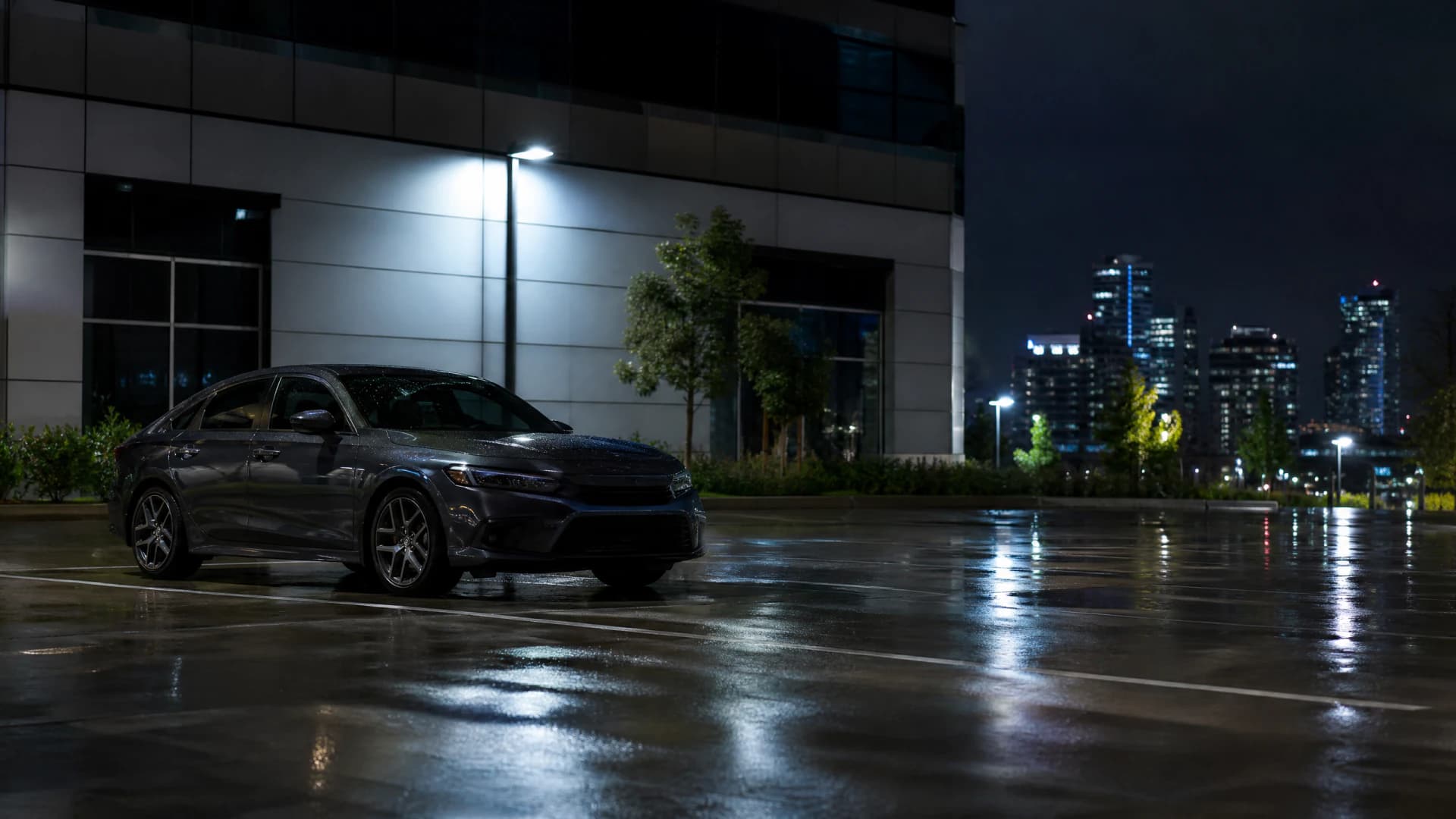
American Family will not file SR-22 after DUI conviction — the underwriting declination is automatic and appeals do not reverse it.





Filing SR-22 Before Limited Driving Privilege Petition
Missouri circuit courts require proof of SR-22 filing before granting Limited Driving Privilege, not at reinstatement. Most drivers assume SR-22 is a reinstatement requirement and delay filing until the 90-day suspension period ends. The court will not approve your LDP petition without an active certificate on file with the Director of Revenue.
The filing process takes 5 business days from the date the carrier submits the certificate electronically. The Director of Revenue does not accept paper SR-22 forms. Your carrier must file electronically through the state's approved system. Once filed, the certificate remains active as long as your policy stays in force and premiums are paid on time.
One missed payment cancels the SR-22 filing immediately. The carrier notifies the Department of Revenue electronically within 24 hours of lapse. The state does not send a grace period notice. Your 2-year filing clock restarts from zero the moment a new certificate is filed after lapse. This consequence applies even if you reinstate the same policy within days.
$20
Missouri Reinstatement Fee
Missouri charges a $20 reinstatement fee after DUI suspension ends. This fee is separate from SR-22 filing costs, SATOP tuition, ignition interlock charges, and insurance premiums. The fee is paid directly to the Department of Revenue.
Missouri Department of Revenue

Non-Owner SR-22 When You Sold Your Vehicle
Many suspended drivers sell their vehicle during the 90-day suspension period. Missouri still requires SR-22 filing for Limited Driving Privilege eligibility even without a registered vehicle. Non-owner SR-22 policies meet this requirement.
A non-owner policy provides liability coverage when you drive a vehicle you do not own — a borrowed car, a rental, or a vehicle owned by a household member. The policy includes SR-22 filing and satisfies the Director of Revenue's proof-of-insurance mandate. Bristol West, Dairyland, The General, and Progressive all write non-owner policies for Missouri DUI cases. Monthly premiums typically run lower than standard owner policies because the carrier assumes occasional-use risk rather than daily-commute exposure.
Compare Non-Standard Carriers Now
American Family's declination is final. Waiting for reconsideration delays your Limited Driving Privilege petition and extends the period you cannot legally drive. Non-standard carriers that accept DUI cases are licensed, file electronically with the state, and meet Missouri's proof-of-insurance requirements without exception.
Request quotes from at least three non-standard carriers before selecting coverage. Rates vary by county, age, and whether ignition interlock is required. The carrier that quotes lowest for one driver may not quote lowest for another. Missouri does not regulate SR-22 premiums — carriers set rates independently based on their own underwriting models. Comparing multiple quotes is the only way to identify the lowest available rate for your specific situation.
Non-Standard Carriers That Write Missouri Post-DUI SR-22
Bristol West, Dairyland, and The General operate as non-standard carriers — insurers that specialize in high-risk drivers. All three file SR-22 electronically with the Missouri Department of Revenue and accept DUI convictions without declination. GAINSCO and National General also write post-DUI policies but require ignition interlock device confirmation before quoting. Progressive writes select DUI cases through its non-standard tier but declines drivers with BAC above .15 or refusal charges.
Non-standard carriers price DUI risk 40–60% lower than standard carriers attempting to file SR-22 because their underwriting models expect violation history. The rate difference is structural, not promotional. Farmers and Geico technically file SR-22 in Missouri but route post-DUI applicants to higher-cost standard tiers with surcharges that exceed non-standard base rates. Requesting quotes from non-standard carriers first eliminates this pricing gap.
Get Your Free Quote
Get My Missouri DUI Insurance QuoteFrequently Asked Questions
Will American Family file SR-22 after a DUI in Missouri?
No. American Family writes SR-22 policies in Missouri but declines all applicants with DUI convictions. The declination is automatic under the company's underwriting guidelines and applies regardless of how long you have been a customer or whether you request liability-only coverage.
Which Missouri carriers accept DUI cases for SR-22 filing?
Bristol West, Dairyland, The General, GAINSCO, National General, and Progressive write SR-22 policies for Missouri DUI cases. All six file electronically with the Department of Revenue. Bristol West, Dairyland, and The General write approximately 70% of post-DUI policies statewide.
How long does SR-22 filing take in Missouri?
Electronic SR-22 filing takes 5 business days from the date your carrier submits the certificate to the Missouri Department of Revenue. The state does not accept paper forms. Your certificate becomes active once the Director of Revenue receives and processes the electronic filing.
Do I need SR-22 before applying for Limited Driving Privilege in Missouri?
Yes. Missouri circuit courts require proof of SR-22 filing on file with the Director of Revenue before granting Limited Driving Privilege. You cannot wait until reinstatement — the court will not approve your LDP petition without an active certificate already filed.
What happens if I miss a payment on my SR-22 policy in Missouri?
Your SR-22 filing cancels immediately. The carrier notifies the Department of Revenue electronically within 24 hours of lapse. Your 2-year filing requirement restarts from zero the moment a new certificate is filed, even if you reinstate the same policy within days.
Can I get non-owner SR-22 insurance in Missouri after DUI?
Yes. Non-owner SR-22 policies meet Missouri's proof-of-insurance requirement for Limited Driving Privilege even if you do not own a vehicle. Bristol West, Dairyland, The General, and Progressive all write non-owner policies for DUI cases in Missouri.
Why do non-standard carriers charge less than standard carriers for SR-22 after DUI?
Non-standard carriers specialize in high-risk drivers and price DUI risk into their base underwriting models. Standard carriers add DUI surcharges on top of clean-record rates, creating higher total premiums. Non-standard carriers typically price 40–60% lower for the same coverage because their models expect violation history.